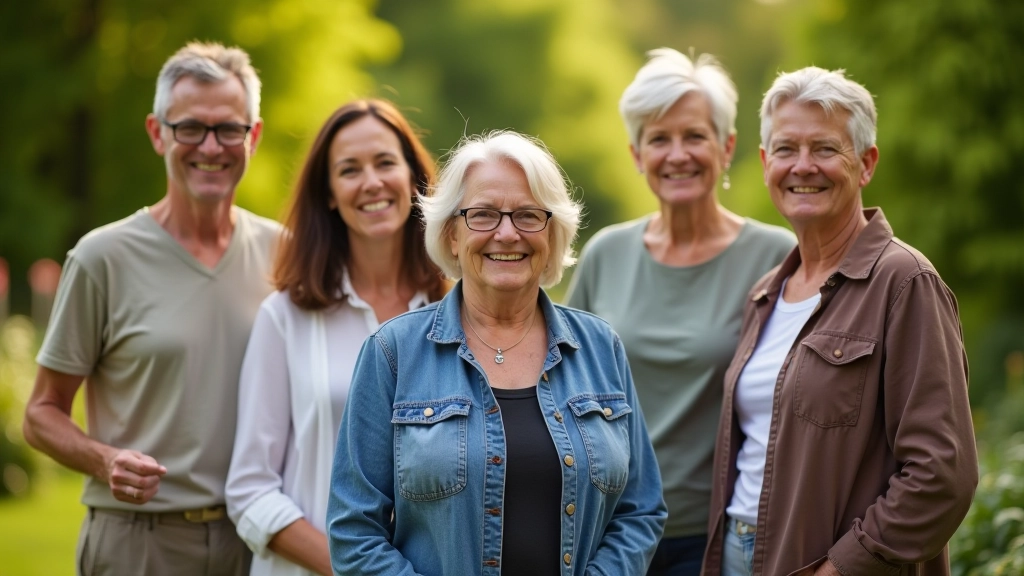
Staying Physically Active Through Group Activities
Why group fitness matters after 45. From hiking clubs to water aerobics—finding activities that keep you strong and connected.
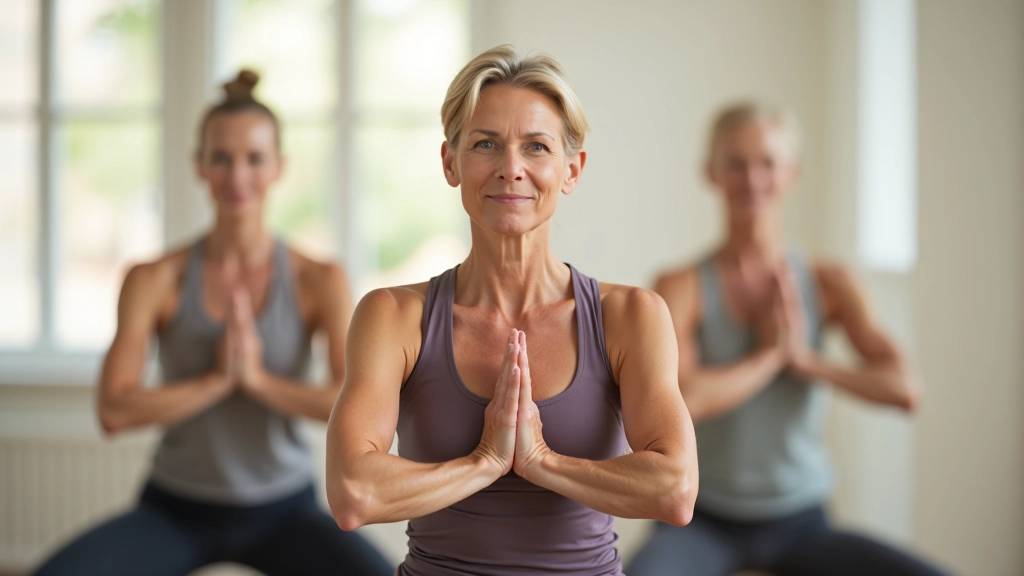
Why Group Activities Transform Your Fitness
There's something different about moving alongside others. You're not just exercising—you're connecting, laughing, and building momentum together. If you're 45 or older and wondering whether group fitness is right for you, the answer is straightforward: it probably is.
Group activities tackle two things at once. They build physical strength—your cardiovascular system improves, muscles get stronger, balance sharpens. And they build social resilience. That matters just as much. We're not designed to train alone. When you've got people around you, you show up more consistently, push yourself a little harder, and actually enjoy the process.
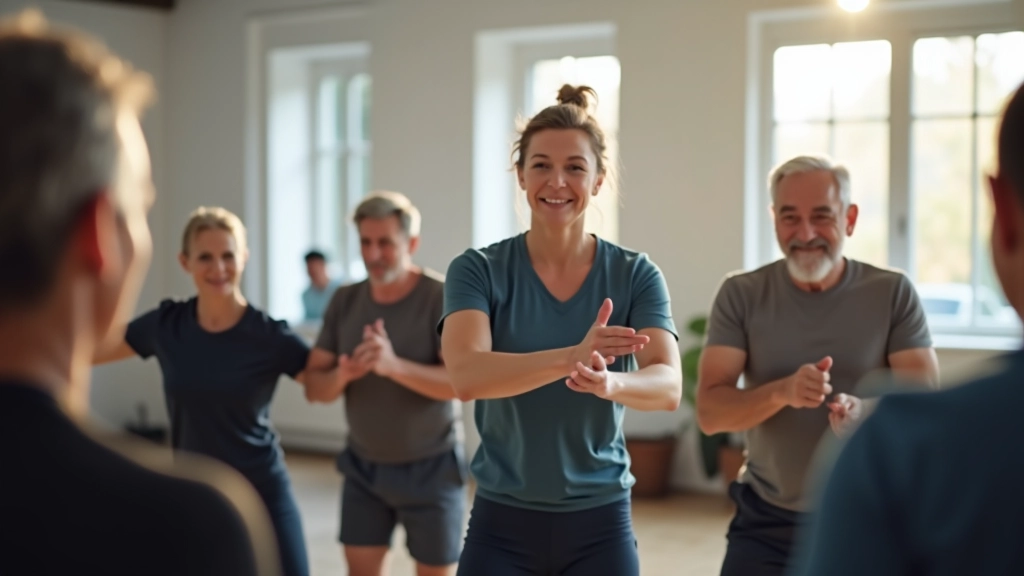
The Real Benefits of Moving Together
Beyond the obvious health gains, group activities create a framework for sustainable change.
Consistency That Sticks
When you've got a group expecting you on Tuesday at 6 PM, you show up. That accountability transforms sporadic exercise into a real habit. Most people in group programs stick with them 3-4 times longer than solo fitness attempts.
Community & Connection
You're building friendships through shared effort. Conversations happen before and after sessions. You celebrate small wins together. That social piece isn't a bonus—it's often what keeps people coming back.
Natural Motivation Boost
Seeing others work through challenges, hearing their progress—it lifts your own effort. You push a little harder, stay a little longer, because the energy in the room is genuinely contagious. That's something you can't replicate alone.
Improved Mental Health
Physical activity reduces stress and anxiety. Add community, and you're addressing loneliness and isolation too. People in group fitness report better sleep, clearer thinking, and a genuine shift in how they feel day-to-day.
Finding the Right Activity for You
Not all group activities feel the same. Some are high-energy and competitive. Others are gentle, social, and low-pressure. The key is matching what you choose to how you actually want to move and who you want to move with.
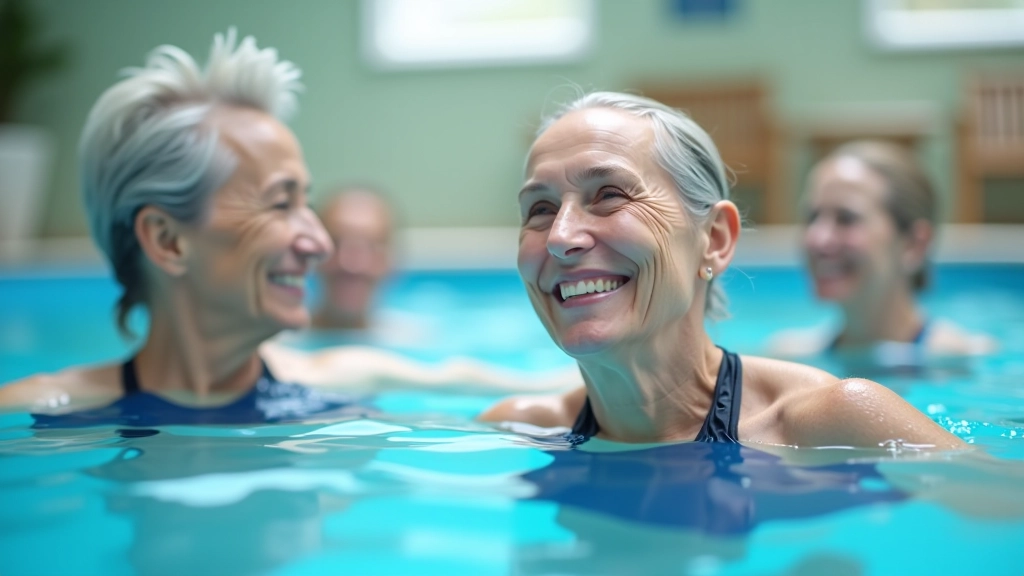
Hiking clubs offer fresh air and natural scenery. You're moving at your own pace, but alongside others. Water aerobics provides low-impact movement that's easy on joints—crucial if you've got arthritis or past injuries. Dance classes feel like play, not work. Strength training groups give you structure and safety, especially important if you're lifting heavier weights. Yoga circles create space for reflection and community in one breath.
Start with what sounds genuinely appealing. Not what you think you "should" do. If hiking bores you, forcing yourself into a hiking club wastes everyone's time. But if you've always wanted to try salsa, that's your signal to look for a beginner class nearby.

How to Actually Get Started
You don't need perfect fitness to join a group. You don't need special equipment or prior experience. Most programs specifically design their beginner options around people who haven't exercised in years—or ever.
Start by asking. Check your local community center, gym, or sports clubs. Switzerland has an excellent network of activity groups—search online for "fitness groups" or "exercise classes" in your town. Many offer a first session free. Don't commit to a full package right away. Try one class. See how it feels. Notice whether the instructor explains things clearly, whether the pace works for your body, whether the people seem welcoming.
That first session might feel awkward. Everyone feels awkward in a new group. But something shifts by week three or four. You recognize faces. People remember your name. The movements start feeling natural. That's when you know it's working.
Making It Sustainable
These practical steps help people stick with group activities long-term.
Schedule It Like an Appointment
Block the time on your calendar. Tuesday 6 PM isn't flexible. It's non-negotiable. That's how habits stick.
Find Your "Why" Beyond Fitness
If you're only going for exercise, you'll quit when it gets inconvenient. But if you're going to see people you genuinely like? That's stickier.
Give It 4-6 Weeks
Your body needs time to adapt. The awkwardness fades. The group becomes familiar. Don't quit before that shift happens.
Listen to Your Body
Group energy is contagious, but don't ignore pain signals. A good instructor will always offer modifications. Use them without hesitation.

Your Body Wants Movement. Your Heart Wants Connection.
Group activities aren't a luxury or something you do if you're naturally social. They're a practical tool for building strength, maintaining independence, and creating genuine friendships after 45. You're not just working out—you're building a structure that supports your health for the next 20-30 years.
Start small. Try one class. See if it fits. If it doesn't, try something else. The right group is out there. It's waiting for you.
Ready to Explore More About Staying Active?
Check out our related articles on finding new passions, community involvement, and building resilience after 45.
Explore More ArticlesImportant Information
This article is for informational purposes only and isn't medical advice. Before starting any new fitness program, especially if you have existing health conditions or haven't exercised recently, consult with your doctor or a qualified healthcare provider. Group activities are wonderful tools for staying active, but they're part of a broader approach to health that includes proper nutrition, adequate rest, and professional medical guidance when needed. Listen to your body, communicate with your instructor about any limitations, and progress at your own pace.
Continue Your Journey